People often assume my career has always revolved around marketing.
It hasn’t.
Long before I was helping businesses improve their online visibility through SEO, AI-powered marketing, and digital strategy, I was working in a completely different kind of distribution.
I helped bring Asian films and television to North American audiences.
Looking back, I realize I wasn’t just distributing movies—I was learning some of the most valuable marketing lessons of my career.
Learning What Happens After the Story Is Told
Earlier in my career, I had studied filmmaking and worked in production. I understood storytelling, cinematography, editing, and how to bring a creative vision to life.
But there was one part of the industry I knew almost nothing about.
How do you actually get people to discover your work?
That question led me into content acquisition and distribution, where I found myself helping license and distribute Asian films and television throughout North America.
It completely changed the way I thought about storytelling.
I discovered that creating something meaningful is only half the journey.
Helping the right audience discover it is equally important.
It’s a lesson I still apply every day when working with businesses.
Working at the Dawn of Streaming
The timing couldn’t have been more exciting.
Streaming was still in its infancy.
Netflix was primarily known for mailing DVDs to subscribers’ homes and had only begun experimenting with what would eventually become one of the biggest shifts in entertainment history.
Long before Korean dramas and films became global sensations, our team was introducing Asian content to North American audiences through theatrical releases, DVD distribution, and emerging streaming platforms.
We weren’t simply acquiring distribution rights.
We were helping stories cross cultures.
Marketing Before I Knew It Was Marketing
At the time, I didn’t think of what we were doing as marketing.
Looking back, that’s exactly what it was.
Every decision revolved around understanding audiences.
Which stories would resonate?
How should they be presented?
How could we preserve the heart of each film while making it accessible to viewers from different cultures?
Translation wasn’t simply converting one language into another.
It meant preserving emotion, humor, relationships, and cultural meaning without losing what made the story authentic.
The same principles guide every successful marketing strategy today.
It’s never just about getting attention.
It’s about communicating in a way your audience understands and connects with.
Helping Introduce Asian Cinema to New Audiences
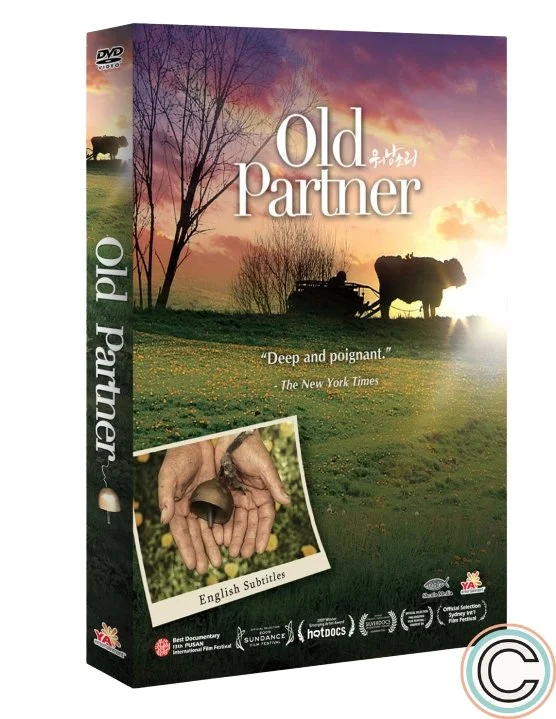
One of my proudest accomplishments was helping facilitate the U.S. release of Old Partner, the critically acclaimed Korean documentary that became one of South Korea’s highest-grossing independent films in 2009.
Our team managed every stage of distribution—from theatrical release to DVD sales and streaming—ensuring North American audiences could experience this remarkable story.
Watching people embrace films from another culture reminded me that great storytelling transcends language.
People connect with authenticity.
They connect with emotion.
And they connect with stories that feel real.
Today, the worldwide success of films like Parasite and series like Squid Game has demonstrated just how universal those stories can be.
While I certainly can’t take credit for that global movement, I’m proud to have been part of an industry that helped introduce many North American audiences to Asian storytelling long before it became mainstream.
Three Lessons That Still Shape My Marketing Strategy Today
Looking back, I realize my years in content distribution taught me lessons I now apply to every client relationship.
1. Great content still needs great distribution.
Creating something valuable isn’t enough.
If people can’t find it, it can’t make an impact.
That’s why SEO, Google Business Profile optimization, AI-powered content, and digital marketing matter.
They’re today’s distribution channels.
2. Know your audience before you create your message.
Every successful film release required understanding who the audience was and how to connect with them.
Marketing works exactly the same way.
The best campaigns aren’t about reaching everyone.
They’re about reaching the right people.
3. Storytelling creates trust.
Whether you’re releasing a film or building a local business, people don’t connect with products.
They connect with stories.
Every business has one.
The challenge is learning how to tell it well.
Creativity Meets Strategy
One of the biggest lessons I learned during those years was that creativity and business are not opposites.
The most successful projects required both.
A compelling story still needed thoughtful planning, strategic partnerships, effective distribution, and a deep understanding of the audience.
Today, when I work with clients, I approach marketing the same way.
A beautiful website without SEO won’t generate leads.
Great content without distribution won’t be discovered.
Creative ideas without strategy rarely produce lasting results.
Success comes from bringing all of those pieces together.
Every Chapter Prepared Me for the Next
Looking back, I can see how each stage of my career built upon the last.
Filmmaking taught me how to tell stories.
Content distribution taught me how to help people discover them.
Entrepreneurship taught me resilience and adaptability.
Today, through Chabot Business Solutions, I combine those experiences to help businesses grow their visibility, attract qualified customers, and build brands that people trust.
Whether I’m developing an SEO strategy, managing Google Ads, creating AI-powered content, or consulting on a website redesign, my goal is always the same:
To help great businesses get discovered.